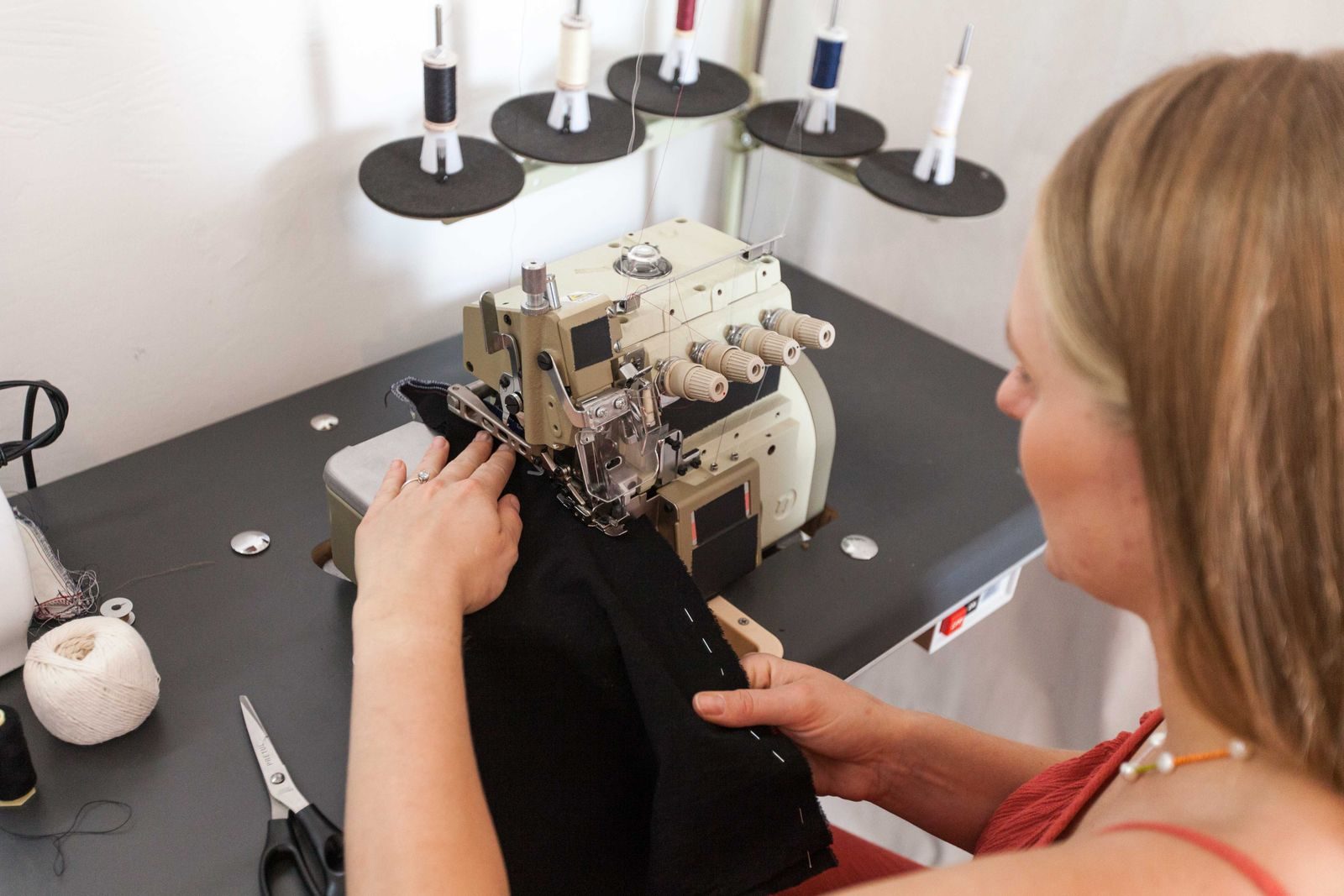
Accounting for woollen-type and worsted-type weaving without the stress: how it works
NOGA code 132002 · MANUFACTURING
Accounting for woollen-type and worsted-type weaving raises the same questions for most Swiss SME owners: which obligations apply, which deadlines are running, which documents to prepare. This page covers the federal rules in force — without unnecessary jargon.
The Swiss legal frame for accounting
Swiss accounting law has been unified in the Code of Obligations since 2013: the same bookkeeping rules (art. 957a CO) and retention rules (art. 958f CO — 10 years for books, vouchers and reports) apply regardless of legal form. Accounting sits squarely within this frame.
One simple principle drives accounting: every franc in or out must be explainable by a document, an entry and an account. All of Swiss accounting law fits inside that traceability requirement.
Outsource accounting or keep it in-house?
Responsibility stays with the client: the fiduciary executes with care, but the signed accounts bind the company. Understanding what you sign is not optional.
You can combine the models: internal day-to-day entry, monthly external supervision, closing and taxes with the specialist — accounting splits very well.
A Swiss SME's accounting calendar
Extensions exist and can be requested: cantonal deadlines for the tax return, deferral of the VAT filing on a reasoned request. But an extension does not stop interest: on VAT, default interest runs from the ordinary due date even when more time has been granted.
An SME that holds its calendar twelve months straight changes its position: fewer official reminders, easier extensions — and accounting stops being a source of worry.
A well-structured SME chart of accounts
Account labels deserve as much care as numbers: “Third-party fees” says nothing, “Fiduciary fees” and “IT fees” say everything. Meaningful labels cut posting errors and make dashboards readable without a glossary.
Standard numbering also enables automation: stable posting rules (same supplier, same account) make data entry predictable and the audit faster. Avoid changing the chart of accounts mid-year — migrate at the closing date, with a documented mapping table.
Digitalising accounting: what actually works
Accounting digitalisation always follows the same path: capture documents at the source (photo or PDF upload), let automatic recognition extract supplier, amount, date and VAT, approve the proposed entries, then archive each document linked to its entry. Every step removes a re-keying — and therefore an error source.
The real gain of digitalised accounting shows day to day: no paper pile at month-end, VAT prepared continuously, and an owner reading today's figures rather than last quarter's.
Frequently asked questions
Which social contributions does a Swiss employer pay?
AHV/IV/APG: 5.3% employer share (the same is withheld from the employee); unemployment insurance: 1.1% each up to CHF 148,200 a year; occupational pension (LPP) by age and plan (employer at least 50%); occupational accident insurance paid by the employer; family allowances by canton.
How much does accounting cost in Switzerland?
It depends on document volume, the number of salaries and VAT complexity — no serious figure can be quoted without examining the file. Two levers cut the bill everywhere: digitised, well-filed receipts and software that prepares entries instead of having them re-keyed.
How long must records related to accounting be kept?
Ten years from the end of the financial year concerned (art. 958f CO). Electronic retention is permitted if the integrity and readability of the records are guaranteed — a serious digital archive validly replaces paper binders.
Effective VAT method or net tax rate: how to choose?
The effective method deducts actual input VAT and files quarterly; the net tax rate method applies a flat industry rate to turnover, semi-annually, with no separate input VAT deduction. The flat rate suits low-cost structures; as investments grow, the effective method usually wins again.
Professions in the same sector
- Production and preserving of meat (except poultry meat)
- Production and preserving of poultry meat
- Production of meat and poultry meat products
- Processing and preserving of fish, crustaceans and molluscs
- Processing and preserving of potatoes
- Manufacture of fruit and vegetable juice
- Other processing and preserving of fruit and vegetables
- Manufacture of oils and fats
- Manufacture of margarine and similar edible fats
- Manufacture of fresh dairy products
- Manufacture of cheese
- Other milk processing
This guide by municipality
Also worth reading
Switch to accounting that keeps itself up to date
MyFiducia.ai automates accounting for Swiss SMEs: AI-read documents, posting suggestions, VAT and exports ready for your fiduciary. Try the platform or browse our other guides.
The application is operated in French.
Source: NOGA 2008 nomenclature, Swiss Federal Statistical Office (FSO). A statistical nomenclature: it describes an activity and is not a commercial register entry.