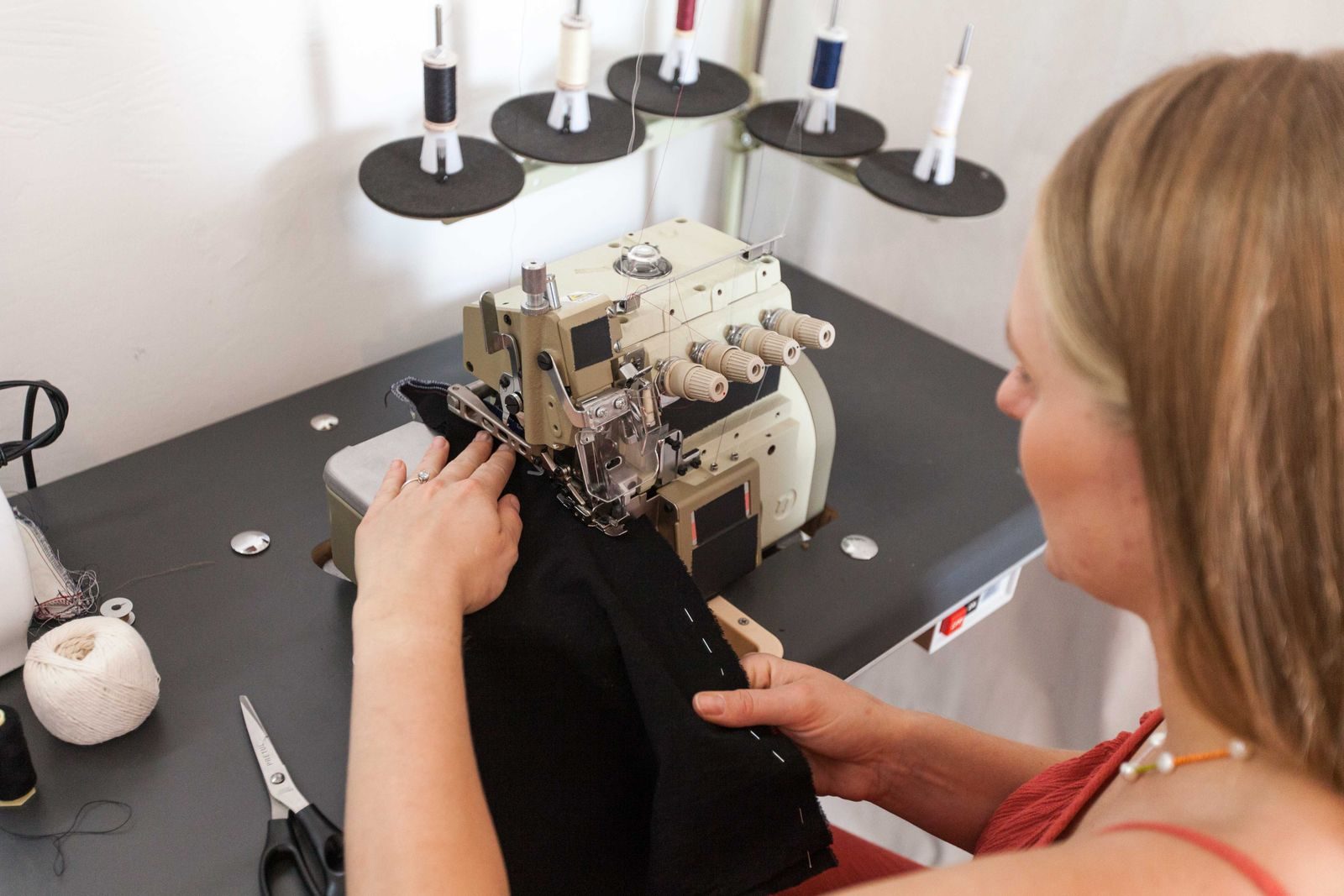
Accounting for other textile weaving explained simply
NOGA code 132003 · MANUFACTURING
Whether you run a Sàrl, an SA or a sole proprietorship, accounting eventually lands on your desk. Here are the practical reference points — legal basis, deadlines and common pitfalls — to decide with a clear head.
The Swiss legal frame for accounting
Swiss accounting law has been unified in the Code of Obligations since 2013: the same bookkeeping rules (art. 957a CO) and retention rules (art. 958f CO — 10 years for books, vouchers and reports) apply regardless of legal form. Accounting sits squarely within this frame.
The annual accounts (art. 958 CO) consist of the balance sheet, the income statement and the notes; they must be drawn up within six months of the year-end so the general meeting can approve them. A delay here cascades into the tax return and the final social insurance settlements.
A well-structured SME chart of accounts
A good chart of accounts tells the story of the business: classes 1 and 2 describe what it owns and owes, class 3 what it sells, classes 4 to 6 what it consumes. Private accounts (sole proprietorships) and shareholder current accounts (Sàrl/SA) must stay spotless: they are the first thing examined in a tax audit.
For accounting, a few well-chosen analytical accounts (by activity, by site) beat a forest of sub-accounts nobody ever reads.
Digitalising accounting: what actually works
Access for the fiduciary, the auditor and employees is set by roles: view, enter, approve, close. Well-set rights protect the data and speed up collaboration.
An SME that digitalises gains owner time first: less filing, fewer “where is that receipt?” questions, more attention to the trade — that is the real return of accounting.
Outsource accounting or keep it in-house?
Responsibility stays with the client: the fiduciary executes with care, but the signed accounts bind the company. Understanding what you sign is not optional.
You can combine the models: internal day-to-day entry, monthly external supervision, closing and taxes with the specialist — accounting splits very well.
A Swiss SME's accounting calendar
The professionals' trick: handle every deadline at D-30, not D-1. A VAT return prepared a month early leaves time to chase a missing document without penalty.
For accounting, year-end is prepared in October: last invoices, investment decisions, provisions to assess — December is too late to act, January is for recording.
Frequently asked questions
Do you need a fiduciary for accounting, or can you do it yourself?
Both are defensible. Below CHF 500,000 of revenue, a sole proprietorship may keep simplified accounts itself. As soon as payroll, VAT and a closing with tax stakes are involved, professional support prevents mistakes that cost more than the fees.
How much does accounting cost in Switzerland?
It depends on document volume, the number of salaries and VAT complexity — no serious figure can be quoted without examining the file. Two levers cut the bill everywhere: digitised, well-filed receipts and software that prepares entries instead of having them re-keyed.
What are the legal obligations for accounting in Switzerland?
The foundation is the Code of Obligations: proper bookkeeping (art. 957a CO), annual accounts (balance sheet, income statement, notes) and 10-year retention of books and records (art. 958f CO). VAT applies from CHF 100,000 of turnover, and social insurance settlements from the first employee.
Which social contributions does a Swiss employer pay?
AHV/IV/APG: 5.3% employer share (the same is withheld from the employee); unemployment insurance: 1.1% each up to CHF 148,200 a year; occupational pension (LPP) by age and plan (employer at least 50%); occupational accident insurance paid by the employer; family allowances by canton.
Professions in the same sector
- Production and preserving of meat (except poultry meat)
- Production and preserving of poultry meat
- Production of meat and poultry meat products
- Processing and preserving of fish, crustaceans and molluscs
- Processing and preserving of potatoes
- Manufacture of fruit and vegetable juice
- Other processing and preserving of fruit and vegetables
- Manufacture of oils and fats
- Manufacture of margarine and similar edible fats
- Manufacture of fresh dairy products
- Manufacture of cheese
- Other milk processing
This guide by municipality
Also worth reading
Switch to accounting that keeps itself up to date
MyFiducia.ai automates accounting for Swiss SMEs: AI-read documents, posting suggestions, VAT and exports ready for your fiduciary. Try the platform or browse our other guides.
The application is operated in French.
Source: NOGA 2008 nomenclature, Swiss Federal Statistical Office (FSO). A statistical nomenclature: it describes an activity and is not a commercial register entry.