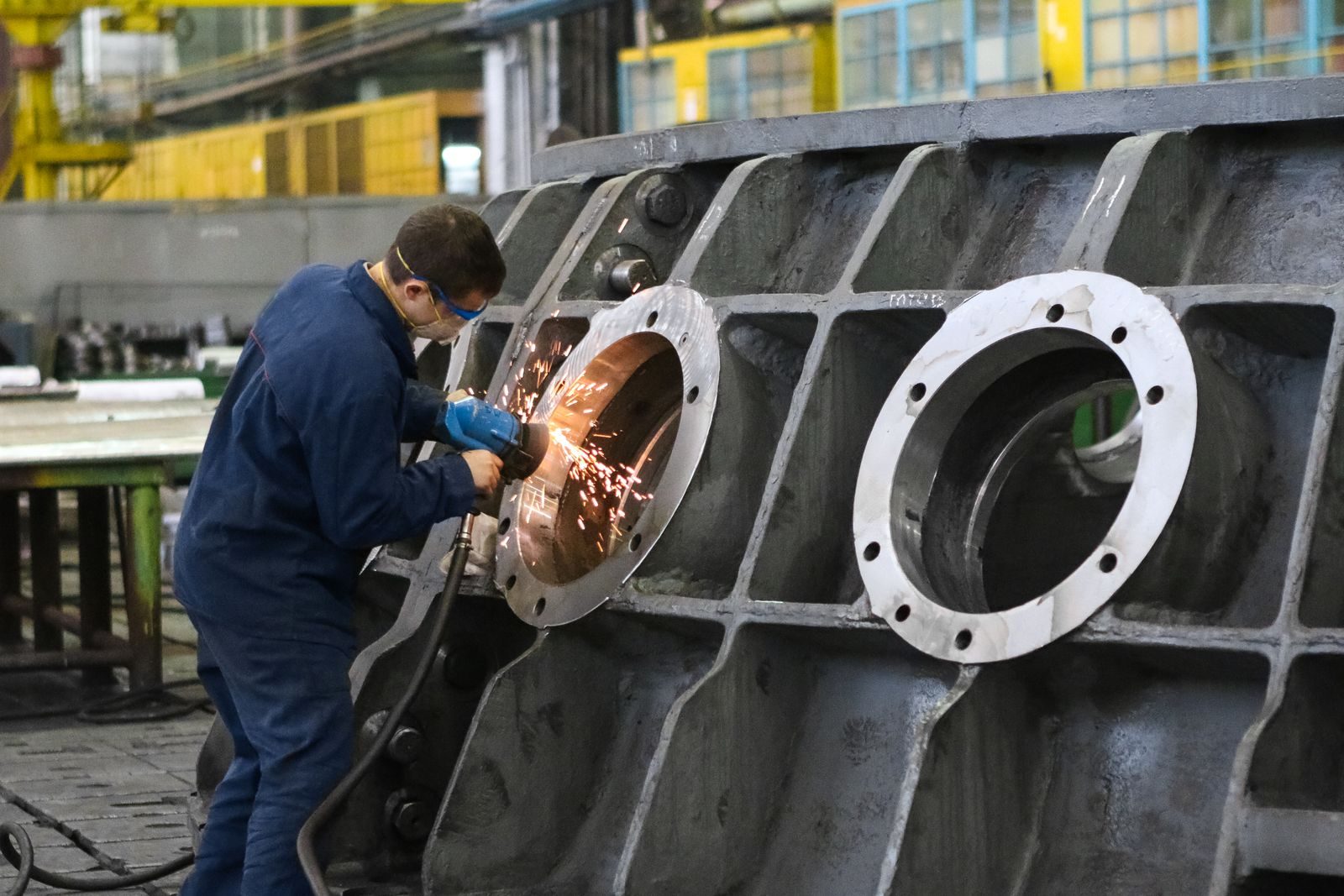
Accounting for casting of iron: rules, deadlines, best practice
NOGA code 245100 · MANUFACTURING
Whether you run a Sàrl, an SA or a sole proprietorship, accounting eventually lands on your desk. Here are the practical reference points — legal basis, deadlines and common pitfalls — to decide with a clear head.
The Swiss legal frame for accounting
Three documents summarise the health of a Swiss business: the balance sheet (what it owns), the income statement (what it earns) and the notes (what else you should know). All the work of accounting converges on those three pages.
Also worth knowing: accounts may be drawn up in the currency most relevant to the business; if that is not the franc, values must additionally be stated in CHF (art. 958d para. 3 CO). Internationally active companies gain books that match their economic reality.
A well-structured SME chart of accounts
The same chart serves three readings: accounting (accuracy), tax (accepted adjustments) and management (margins by activity). Modern software produces all three views without double entry.
The chart of accounts is also a delegation tool: clear posting rules let a non-accountant prepare most entries without error.
Digitalising accounting: what actually works
Accounting digitalisation always follows the same path: capture documents at the source (photo or PDF upload), let automatic recognition extract supplier, amount, date and VAT, approve the proposed entries, then archive each document linked to its entry. Every step removes a re-keying — and therefore an error source.
An SME that digitalises gains owner time first: less filing, fewer “where is that receipt?” questions, more attention to the trade — that is the real return of accounting.
Outsource accounting or keep it in-house?
Outsourcing does not exempt you from understanding: an owner who can read the balance sheet and the income statement challenges the fiduciary better — and pays for advice, not re-keying.
For accounting, the internal-external duo works when both sides see the same file: same entries, same documents, same deadlines. Misunderstandings are born from parallel copies.
A Swiss SME's accounting calendar
Tax instalments are steered: too low, they set up a salty final bill; too high, they tie up cash. Adjusting them on current figures is a profitable reflex.
Delays rarely come alone: neglected bookkeeping postpones the closing, hence the tax return, hence the recalculated instalments — and the business flies blind for months. Keeping the books current as you go is the only sustainable way to hold every cascading deadline.
Frequently asked questions
Can accounting be automated with AI?
Largely, yes: automatic document reading, posting suggestions, bank reconciliation via QR references and VAT exports. Human approval remains essential — AI prepares, the professional checks. That is exactly how MyFiducia.ai approaches accounting.
When is entry in the commercial register mandatory?
A Sàrl and an SA only come into existence with their registration. A sole proprietorship must register from CHF 100,000 of annual revenue; below that, registration stays voluntary but adds credibility and protects the business name.
When must a business register for VAT?
As soon as its worldwide annual turnover reaches CHF 100,000 (CHF 250,000 for non-profit sports or cultural associations). Below that, voluntary registration remains possible and often makes sense to reclaim input VAT on investments.
Which social contributions does a Swiss employer pay?
AHV/IV/APG: 5.3% employer share (the same is withheld from the employee); unemployment insurance: 1.1% each up to CHF 148,200 a year; occupational pension (LPP) by age and plan (employer at least 50%); occupational accident insurance paid by the employer; family allowances by canton.
Professions in the same sector
- Production and preserving of meat (except poultry meat)
- Production and preserving of poultry meat
- Production of meat and poultry meat products
- Processing and preserving of fish, crustaceans and molluscs
- Processing and preserving of potatoes
- Manufacture of fruit and vegetable juice
- Other processing and preserving of fruit and vegetables
- Manufacture of oils and fats
- Manufacture of margarine and similar edible fats
- Manufacture of fresh dairy products
- Manufacture of cheese
- Other milk processing
This guide by municipality
Also worth reading
Switch to accounting that keeps itself up to date
MyFiducia.ai automates accounting for Swiss SMEs: AI-read documents, posting suggestions, VAT and exports ready for your fiduciary. Try the platform or browse our other guides.
The application is operated in French.
Source: NOGA 2008 nomenclature, Swiss Federal Statistical Office (FSO). A statistical nomenclature: it describes an activity and is not a commercial register entry.