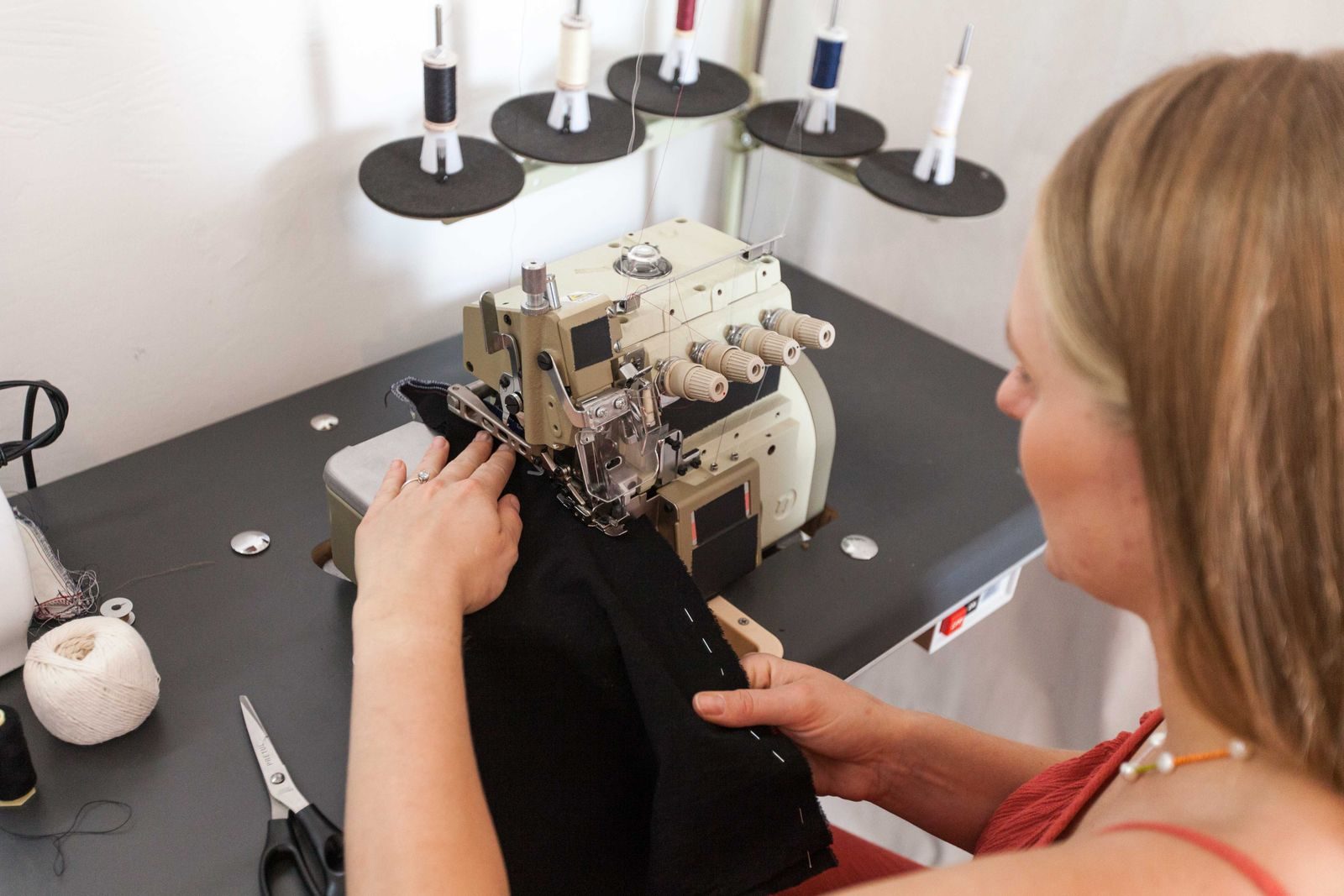
Everything that matters about accounting for manufacture of carpets and rugs
NOGA code 139300 · MANUFACTURING
Accounting for manufacture of carpets and rugs raises the same questions for most Swiss SME owners: which obligations apply, which deadlines are running, which documents to prepare. This page covers the federal rules in force — without unnecessary jargon.
The Swiss legal frame for accounting
Responsibility for the books is personal: in an SA, organising the accounting is one of the board's non-transferable duties (art. 716a CO); in a Sàrl, the managing directors carry the same duty. Outsourcing the execution never transfers that underlying responsibility.
Late books show from the outside: poorly calibrated tax instalments, provisional filings, slow answers to the bank. Staying current is also a matter of image.
A well-structured SME chart of accounts
A chart of accounts gets documented: one description line per account (what, when, VAT) is enough for two people to post the same way. It is the quality manual of accounting.
For accounting, a few well-chosen analytical accounts (by activity, by site) beat a forest of sub-accounts nobody ever reads.
Digitalising accounting: what actually works
Access for the fiduciary, the auditor and employees is set by roles: view, enter, approve, close. Well-set rights protect the data and speed up collaboration.
A dashboard only has value if the data is fresh: automating data entry means, first of all, buying up-to-date information about your own business.
Outsource accounting or keep it in-house?
Outsourcing does not exempt you from understanding: an owner who can read the balance sheet and the income statement challenges the fiduciary better — and pays for advice, not re-keying.
With a shared online platform, collaboration works remotely, documents and entries visible to both sides in real time. The choice widens to all of Switzerland — competence becomes the criterion again, not the postcode.
A Swiss SME's accounting calendar
The typical annual cycle: monthly or quarterly AHV instalments, VAT returns (quarterly under the effective method, semi-annual under the net tax rate), the final salary declaration in January, closing in the first half-year, then the tax return and the annual VAT reconciliation. Each link depends on the quality of the previous one.
An isolated delay can be caught up; a structural delay is paid in interest, fines and stress. The difference between the two: a system, not good intentions.
Frequently asked questions
What is simplified bookkeeping and who can use it?
Sole proprietorships and partnerships under CHF 500,000 of revenue may limit themselves to recording income, expenses and assets (art. 957 para. 2 CO). Once over the threshold — or upon founding a Sàrl or an SA — full accounts with balance sheet, income statement and notes become mandatory.
How much does accounting cost in Switzerland?
It depends on document volume, the number of salaries and VAT complexity — no serious figure can be quoted without examining the file. Two levers cut the bill everywhere: digitised, well-filed receipts and software that prepares entries instead of having them re-keyed.
Do you need a fiduciary for accounting, or can you do it yourself?
Both are defensible. Below CHF 500,000 of revenue, a sole proprietorship may keep simplified accounts itself. As soon as payroll, VAT and a closing with tax stakes are involved, professional support prevents mistakes that cost more than the fees.
How long must records related to accounting be kept?
Ten years from the end of the financial year concerned (art. 958f CO). Electronic retention is permitted if the integrity and readability of the records are guaranteed — a serious digital archive validly replaces paper binders.
Professions in the same sector
- Production and preserving of meat (except poultry meat)
- Production and preserving of poultry meat
- Production of meat and poultry meat products
- Processing and preserving of fish, crustaceans and molluscs
- Processing and preserving of potatoes
- Manufacture of fruit and vegetable juice
- Other processing and preserving of fruit and vegetables
- Manufacture of oils and fats
- Manufacture of margarine and similar edible fats
- Manufacture of fresh dairy products
- Manufacture of cheese
- Other milk processing
This guide by municipality
Also worth reading
Switch to accounting that keeps itself up to date
MyFiducia.ai automates accounting for Swiss SMEs: AI-read documents, posting suggestions, VAT and exports ready for your fiduciary. Try the platform or browse our other guides.
The application is operated in French.
Source: NOGA 2008 nomenclature, Swiss Federal Statistical Office (FSO). A statistical nomenclature: it describes an activity and is not a commercial register entry.