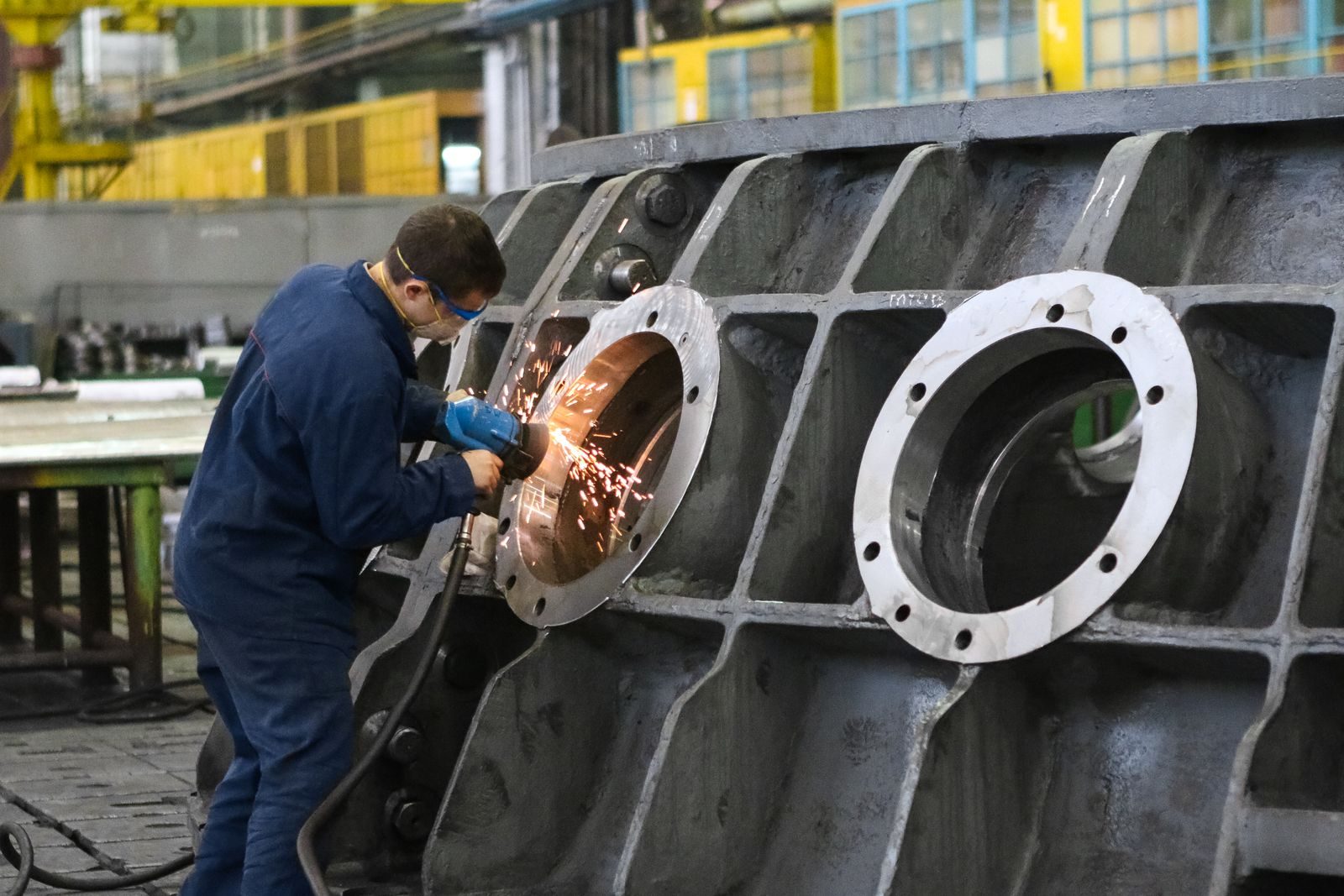
Accounting for manufacture of locks and hinges explained simply
NOGA code 257200 · MANUFACTURING
Accounting for manufacture of locks and hinges raises the same questions for most Swiss SME owners: which obligations apply, which deadlines are running, which documents to prepare. This page covers the federal rules in force — without unnecessary jargon.
The Swiss legal frame for accounting
In Switzerland, the duty to keep accounts stems from art. 957 ff. of the Code of Obligations. Legal entities (Sàrl, SA) and sole proprietorships with at least CHF 500,000 in revenue keep full accounts: balance sheet, income statement and notes. Below that threshold, a simplified record of income, expenses and assets is sufficient.
Also worth knowing: accounts may be drawn up in the currency most relevant to the business; if that is not the franc, values must additionally be stated in CHF (art. 958d para. 3 CO). Internationally active companies gain books that match their economic reality.
Digitalising accounting: what actually works
Security is part of digitalisation: named access, tested backups, encryption of sensitive data. A digital accounting file is protected like a safe — because it is one.
For accounting, migrating history must not block the start: begin on day one of the current financial year and import the history later if needed.
Outsource accounting or keep it in-house?
Outsourcing does not exempt you from understanding: an owner who can read the balance sheet and the income statement challenges the fiduciary better — and pays for advice, not re-keying.
With a shared online platform, collaboration works remotely, documents and entries visible to both sides in real time. The choice widens to all of Switzerland — competence becomes the criterion again, not the postcode.
A Swiss SME's accounting calendar
Tax instalments are steered: too low, they set up a salty final bill; too high, they tie up cash. Adjusting them on current figures is a profitable reflex.
The useful reflex: date every obligation the moment it arises. An employee hired means AHV/LPP deadlines created; VAT registration means a filing cycle set; a closing date fixed means backward planning of the close. Well organised, the accounting calendar fills itself.
A well-structured SME chart of accounts
Nearly all Swiss SMEs rely on the standard SME chart of accounts (Sterchi/Käfer): classes 1 (assets) to 9 (closing), with revenue in class 3 and expenses in classes 4 to 6. Using this standard structure makes conversations with your fiduciary, auditor and tax administration far easier.
The Sterchi/Käfer structure also eases benchmarking: banks and fiduciaries reason on those standard classes to situate an SME's accounting.
Frequently asked questions
What are the current Swiss VAT rates?
Since 1 January 2024: 8.1% (standard), 2.6% (reduced — for example food and medicines) and 3.8% (accommodation). Returns must be filed and paid within 60 days after the period ends (quarterly under the effective method, semi-annually under the net tax rate method).
When must a business register for VAT?
As soon as its worldwide annual turnover reaches CHF 100,000 (CHF 250,000 for non-profit sports or cultural associations). Below that, voluntary registration remains possible and often makes sense to reclaim input VAT on investments.
Effective VAT method or net tax rate: how to choose?
The effective method deducts actual input VAT and files quarterly; the net tax rate method applies a flat industry rate to turnover, semi-annually, with no separate input VAT deduction. The flat rate suits low-cost structures; as investments grow, the effective method usually wins again.
What is the difference between a limited and an ordinary audit?
The ordinary audit applies to companies exceeding, for two consecutive years, two of three thresholds: CHF 20 million balance sheet total, CHF 40 million revenue, 250 full-time positions. Others fall under the limited audit, and those with no more than ten full-time positions on annual average can opt out with all shareholders' consent.
Professions in the same sector
- Production and preserving of meat (except poultry meat)
- Production and preserving of poultry meat
- Production of meat and poultry meat products
- Processing and preserving of fish, crustaceans and molluscs
- Processing and preserving of potatoes
- Manufacture of fruit and vegetable juice
- Other processing and preserving of fruit and vegetables
- Manufacture of oils and fats
- Manufacture of margarine and similar edible fats
- Manufacture of fresh dairy products
- Manufacture of cheese
- Other milk processing
This guide by municipality
Also worth reading
Switch to accounting that keeps itself up to date
MyFiducia.ai automates accounting for Swiss SMEs: AI-read documents, posting suggestions, VAT and exports ready for your fiduciary. Try the platform or browse our other guides.
The application is operated in French.
Source: NOGA 2008 nomenclature, Swiss Federal Statistical Office (FSO). A statistical nomenclature: it describes an activity and is not a commercial register entry.