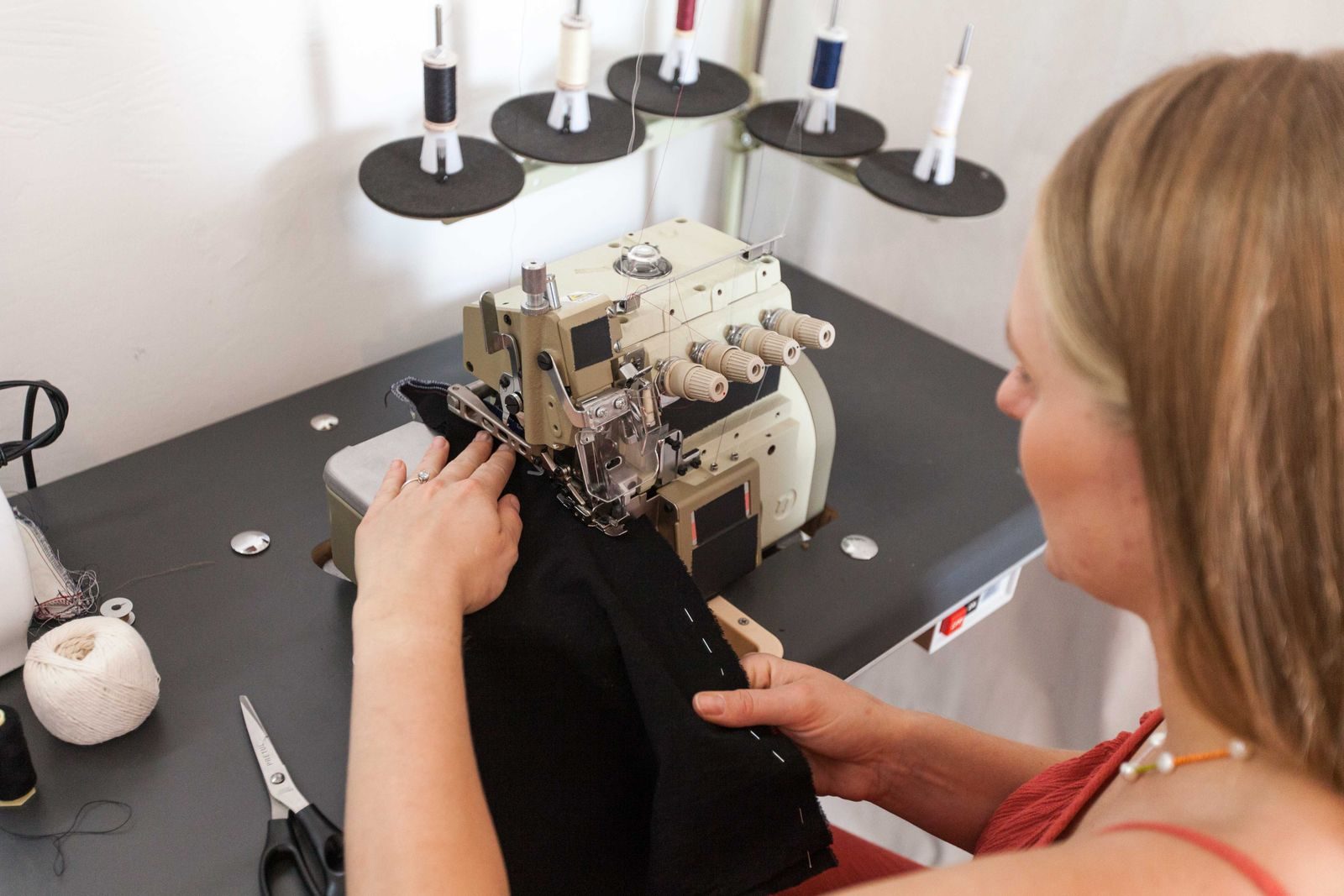
Accounting for manufacture of other technical and industrial textiles explained simply
NOGA code 139600 · MANUFACTURING
Accounting for manufacture of other technical and industrial textiles rests on three pillars: federal law that applies across Switzerland, cantonal deadlines worth knowing, and tools that eliminate re-keying. This guide puts it all in order, fact by fact.
The Swiss legal frame for accounting
Three documents summarise the health of a Swiss business: the balance sheet (what it owns), the income statement (what it earns) and the notes (what else you should know). All the work of accounting converges on those three pages.
The law also settles the form: accounts may be kept in a national language or in English, on paper or electronically (art. 957a para. 5 CO). That pragmatism lets accounting run entirely on digital tools — no paper binder is required.
Digitalising accounting: what actually works
Automation is judged on the exceptions: what happens when the document is unreadable, the supplier unknown, the amount divergent? A good tool isolates those cases and lets a human decide fast.
The real gain of digitalised accounting shows day to day: no paper pile at month-end, VAT prepared continuously, and an owner reading today's figures rather than last quarter's.
Outsource accounting or keep it in-house?
Outsourcing accounting to a fiduciary frees up time and secures compliance; keeping it in-house preserves a continuous view and costs less in fees. The best answer is often hybrid: the company captures and digitises as it goes, the fiduciary supervises, closes the books and represents the company before the authorities.
You can combine the models: internal day-to-day entry, monthly external supervision, closing and taxes with the specialist — accounting splits very well.
A Swiss SME's accounting calendar
An accounting calendar only lives if it is shared: owner, in-house bookkeeper and fiduciary must see the same deadlines and the same status.
An isolated delay can be caught up; a structural delay is paid in interest, fines and stress. The difference between the two: a system, not good intentions.
A well-structured SME chart of accounts
Account labels deserve as much care as numbers: “Third-party fees” says nothing, “Fiduciary fees” and “IT fees” say everything. Meaningful labels cut posting errors and make dashboards readable without a glossary.
Suspense accounts (to clarify) are useful provided they are emptied monthly: a swelling “miscellaneous” account is the classic symptom of a chart that no longer fits the activity.
Frequently asked questions
Can accounting be automated with AI?
Largely, yes: automatic document reading, posting suggestions, bank reconciliation via QR references and VAT exports. Human approval remains essential — AI prepares, the professional checks. That is exactly how MyFiducia.ai approaches accounting.
Does MyFiducia.ai work for a business anywhere in Switzerland?
Yes: the platform runs online, the rules applied are federal (VAT, CO, AHV), and the file can be shared with any fiduciary. Cantonal specifics (taxes, allowances) are configured in your file.
What are the legal obligations for accounting in Switzerland?
The foundation is the Code of Obligations: proper bookkeeping (art. 957a CO), annual accounts (balance sheet, income statement, notes) and 10-year retention of books and records (art. 958f CO). VAT applies from CHF 100,000 of turnover, and social insurance settlements from the first employee.
What is simplified bookkeeping and who can use it?
Sole proprietorships and partnerships under CHF 500,000 of revenue may limit themselves to recording income, expenses and assets (art. 957 para. 2 CO). Once over the threshold — or upon founding a Sàrl or an SA — full accounts with balance sheet, income statement and notes become mandatory.
Professions in the same sector
- Production and preserving of meat (except poultry meat)
- Production and preserving of poultry meat
- Production of meat and poultry meat products
- Processing and preserving of fish, crustaceans and molluscs
- Processing and preserving of potatoes
- Manufacture of fruit and vegetable juice
- Other processing and preserving of fruit and vegetables
- Manufacture of oils and fats
- Manufacture of margarine and similar edible fats
- Manufacture of fresh dairy products
- Manufacture of cheese
- Other milk processing
This guide by municipality
Also worth reading
Switch to accounting that keeps itself up to date
MyFiducia.ai automates accounting for Swiss SMEs: AI-read documents, posting suggestions, VAT and exports ready for your fiduciary. Try the platform or browse our other guides.
The application is operated in French.
Source: NOGA 2008 nomenclature, Swiss Federal Statistical Office (FSO). A statistical nomenclature: it describes an activity and is not a commercial register entry.