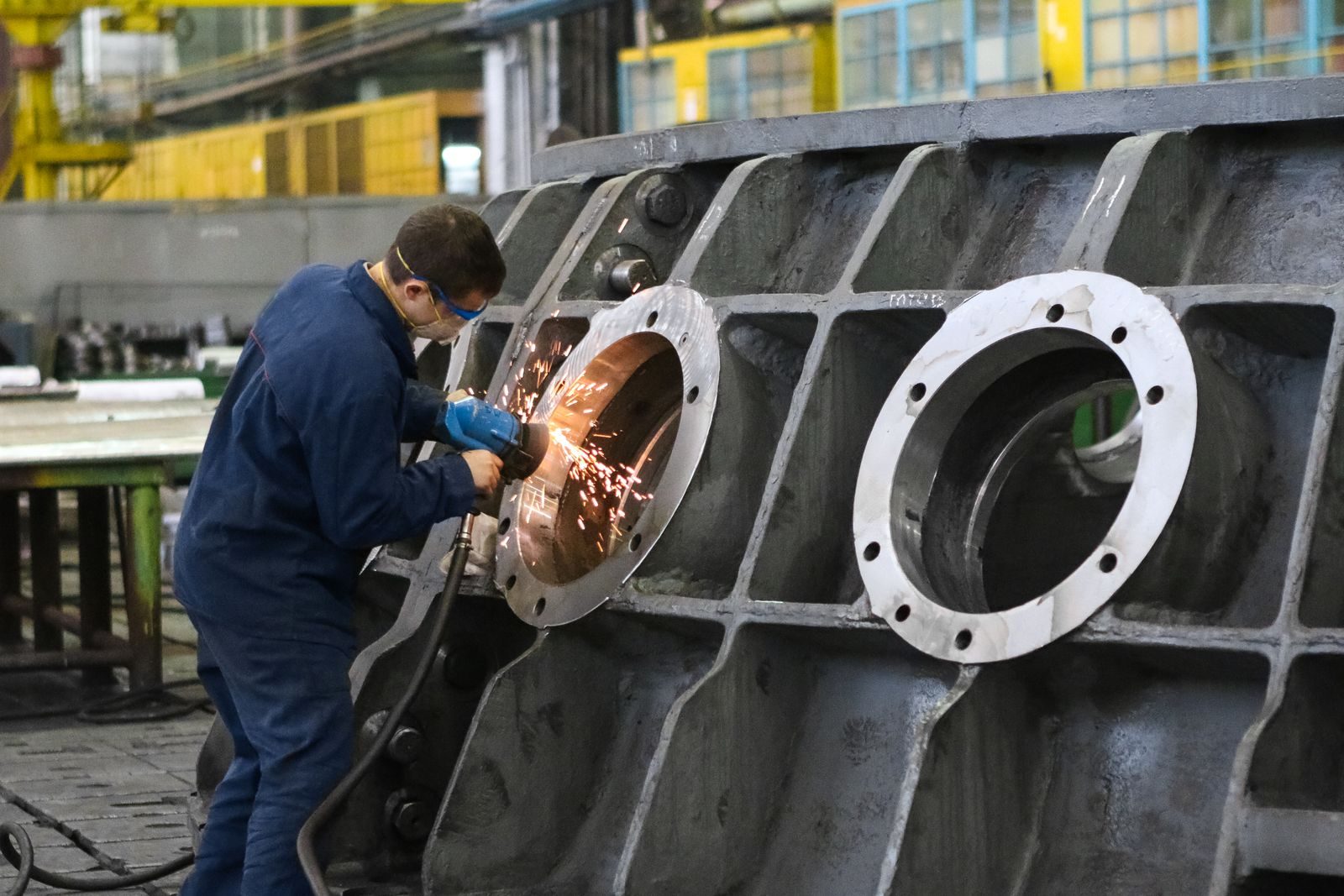
Accounting for manufacture of other fabricated metal products n.e.c.: what every SME should know
NOGA code 259900 · MANUFACTURING
Swiss accounting law (art. 957 ff. of the Code of Obligations) sets a precise frame, yet day-to-day practice often stays fuzzy. This guide walks through what actually matters for a business based in Switzerland.
The Swiss legal frame for accounting
A small business does not mean small obligations: from the first salary or the first VAT return, mistakes get expensive.
The annual accounts (art. 958 CO) consist of the balance sheet, the income statement and the notes; they must be drawn up within six months of the year-end so the general meeting can approve them. A delay here cascades into the tax return and the final social insurance settlements.
A Swiss SME's accounting calendar
Three families of deadlines shape the year: federal (VAT within 60 days, salary declaration in January), cantonal (tax return, extensions depending on the canton) and internal (closing, general meeting within six months). Mixing them up is the leading cause of delays.
For accounting, two dates lock themselves in every year: the January salary declaration and the general meeting within six months — everything else is planned around them.
A well-structured SME chart of accounts
A good chart of accounts tells the story of the business: classes 1 and 2 describe what it owns and owes, class 3 what it sells, classes 4 to 6 what it consumes. Private accounts (sole proprietorships) and shareholder current accounts (Sàrl/SA) must stay spotless: they are the first thing examined in a tax audit.
Comparability over time beats sophistication: a chart stable for five years beats a “perfect” one rebuilt every year. Banks and the tax administration read year-on-year movements first.
Digitalising accounting: what actually works
The classic digitalisation traps are avoidable: scanning without quality control (unreadable records), stacking disconnected tools (double entry in disguise), or neglecting access rights. One single flow from document to entry, with clear roles, beats five shiny apps.
The real gain of digitalised accounting shows day to day: no paper pile at month-end, VAT prepared continuously, and an owner reading today's figures rather than last quarter's.
Outsource accounting or keep it in-house?
A fiduciary's cost depends first on the quality of the data received: digitised, filed, reconciled documents are processed fast; a box of loose receipts is billed by the hour. Improving the internal preparation of accounting lowers fees more surely than any negotiation.
Changing fiduciary is not a drama: the accounting data belongs to the company, and a clean export (entries, chart of accounts, linked documents) allows a transition at year-end. A provider who locks in a client's data says a lot about how it works.
Frequently asked questions
What is simplified bookkeeping and who can use it?
Sole proprietorships and partnerships under CHF 500,000 of revenue may limit themselves to recording income, expenses and assets (art. 957 para. 2 CO). Once over the threshold — or upon founding a Sàrl or an SA — full accounts with balance sheet, income statement and notes become mandatory.
How much does accounting cost in Switzerland?
It depends on document volume, the number of salaries and VAT complexity — no serious figure can be quoted without examining the file. Two levers cut the bill everywhere: digitised, well-filed receipts and software that prepares entries instead of having them re-keyed.
Does MyFiducia.ai work for a business anywhere in Switzerland?
Yes: the platform runs online, the rules applied are federal (VAT, CO, AHV), and the file can be shared with any fiduciary. Cantonal specifics (taxes, allowances) are configured in your file.
When must a business register for VAT?
As soon as its worldwide annual turnover reaches CHF 100,000 (CHF 250,000 for non-profit sports or cultural associations). Below that, voluntary registration remains possible and often makes sense to reclaim input VAT on investments.
Professions in the same sector
- Production and preserving of meat (except poultry meat)
- Production and preserving of poultry meat
- Production of meat and poultry meat products
- Processing and preserving of fish, crustaceans and molluscs
- Processing and preserving of potatoes
- Manufacture of fruit and vegetable juice
- Other processing and preserving of fruit and vegetables
- Manufacture of oils and fats
- Manufacture of margarine and similar edible fats
- Manufacture of fresh dairy products
- Manufacture of cheese
- Other milk processing
This guide by municipality
Also worth reading
Switch to accounting that keeps itself up to date
MyFiducia.ai automates accounting for Swiss SMEs: AI-read documents, posting suggestions, VAT and exports ready for your fiduciary. Try the platform or browse our other guides.
The application is operated in French.
Source: NOGA 2008 nomenclature, Swiss Federal Statistical Office (FSO). A statistical nomenclature: it describes an activity and is not a commercial register entry.