
SME tax return benefits in Oberlangenegg: rules, deadlines, best practice
Between VAT, social contributions and the year-end close, a Swiss SME juggles dozens of deadlines a year. This page focuses on SME tax return in Oberlangenegg: what the law requires, what can be automated, and when to delegate.
The Swiss legal frame for SME tax return
Responsibility for the books is personal: in an SA, organising the accounting is one of the board's non-transferable duties (art. 716a CO); in a Sàrl, the managing directors carry the same duty. Outsourcing the execution never transfers that underlying responsibility, including for a company based in Oberlangenegg.
Art. 957a CO requires complete, truthful and systematic recording of transactions, each entry backed by a supporting document. For SME tax return, that means in practice: no movement without a receipt, and an audit trail that can be reconstructed at any time — including during a VAT or AHV inspection.
A Swiss SME's accounting calendar
An accounting calendar only lives if it is shared: owner, in-house bookkeeper and fiduciary must see the same deadlines and the same status — the rule holds for every SME in Oberlangenegg.
For SME tax return, deadline discipline is worth real money: default interest on late VAT, AHV adjustments, tax fines. A shared deadline calendar — fed by up-to-date figures — remains the simplest safeguard.
Swiss VAT: rates, threshold and filings
Taxable consideration is not limited to the invoiced price: barter, set-offs and benefits in kind count too. The safe reflex: every economic advantage received is documented and qualified.
For an SME in Oberlangenegg, electronic filing of VAT returns has been mandatory since 1 January 2025; the tax administration's online portal is also where extensions are requested and past periods consulted. Combined with accounts that prepare the return automatically, SME tax return stops being a quarterly chore.
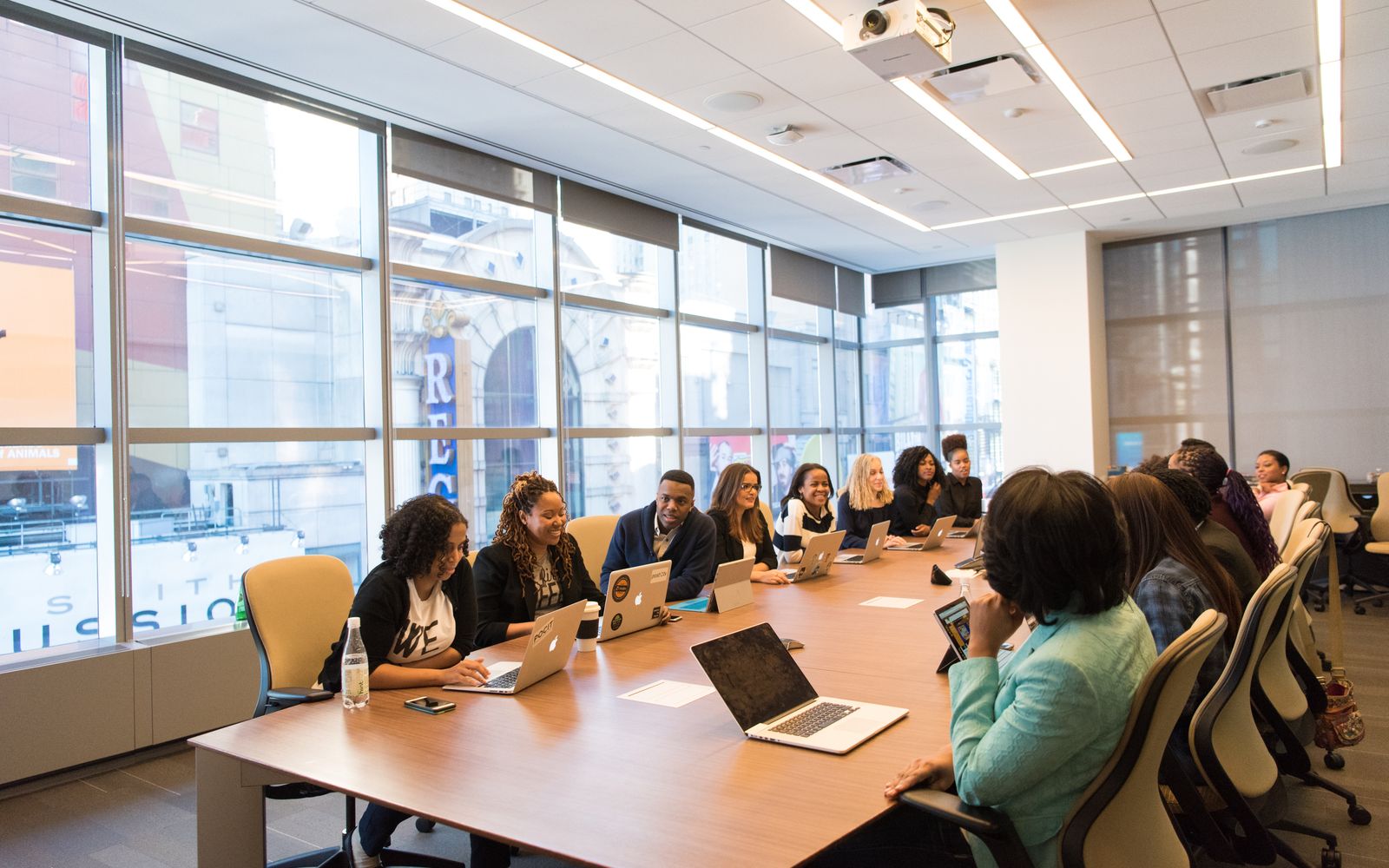
Outsource SME tax return or keep it in-house?
A fiduciary's cost depends first on the quality of the data received: digitised, filed, reconciled documents are processed fast; a box of loose receipts is billed by the hour. Improving the internal preparation of SME tax return lowers fees more surely than any negotiation.
A business in Oberlangenegg can combine the models: internal day-to-day entry, monthly external supervision, closing and taxes with the specialist — SME tax return splits very well.
Oberlangenegg: what changes, what does not
Sole proprietorship, Sàrl or SA in Oberlangenegg: the AHV contact remains the competent compensation office, and taxes follow the scales of the canton Bern.
For a business in Oberlangenegg, that means VAT returns identical to anywhere in Switzerland, but a tax return and family allowances governed by the canton Bern.
Frequently asked questions
When must a business register for VAT?
As soon as its worldwide annual turnover reaches CHF 100,000 (CHF 250,000 for non-profit sports or cultural associations). Below that, voluntary registration remains possible and often makes sense to reclaim input VAT on investments. The threshold is federal: it applies in Oberlangenegg as everywhere in Switzerland.
What are the legal obligations for SME tax return in Switzerland?
The foundation is the Code of Obligations: proper bookkeeping (art. 957a CO), annual accounts (balance sheet, income statement, notes) and 10-year retention of books and records (art. 958f CO). VAT applies from CHF 100,000 of turnover, and social insurance settlements from the first employee. Nothing is different in Oberlangenegg: federal law applies.
What is the difference between a limited and an ordinary audit?
The ordinary audit applies to companies exceeding, for two consecutive years, two of three thresholds: CHF 20 million balance sheet total, CHF 40 million revenue, 250 full-time positions. Others fall under the limited audit, and those with no more than ten full-time positions on annual average can opt out with all shareholders' consent. These federal thresholds do not depend on the registered seat — in Oberlangenegg as anywhere.
Do you need a fiduciary for SME tax return, or can you do it yourself?
Both are defensible. Below CHF 500,000 of revenue, a sole proprietorship may keep simplified accounts itself. As soon as payroll, VAT and a closing with tax stakes are involved, professional support prevents mistakes that cost more than the fees. With a shared platform, the fiduciary does not even need to be in Oberlangenegg.
Also worth reading
In neighbouring municipalities
Switch to accounting that keeps itself up to date
MyFiducia.ai automates SME tax return for businesses in Oberlangenegg: AI-read documents, posting suggestions, VAT and exports ready for your fiduciary. Try the platform or browse our other guides.
The application is operated in French.