
Limited statutory audit comparison in Basel explained simply
Limited statutory audit comparison in Basel rests on three pillars: federal law that applies across Switzerland, cantonal deadlines worth knowing, and tools that eliminate re-keying. This guide puts it all in order, fact by fact.
Year-end closing: how the mechanics work
Companies exceeding two of three thresholds for two consecutive years — CHF 20 million balance sheet total, CHF 40 million revenue, 250 full-time positions — move to an ordinary audit. Below that, the limited audit applies, and companies with no more than ten full-time positions on annual average can opt out with the consent of all shareholders.
A clean closing pays beyond the legal duty: it conditions the tax return, bank discussions and the company's value in a succession. Hidden reserves (accelerated depreciation, provisions) remain admissible within cantonal tax limits — document them systematically.
Outsource limited statutory audit or keep it in-house?
A fiduciary's cost depends first on the quality of the data received: digitised, filed, reconciled documents are processed fast; a box of loose receipts is billed by the hour. Improving the internal preparation of limited statutory audit lowers fees more surely than any negotiation.
In Basel, as everywhere, the right collaboration rhythm follows the activity: monthly for payroll and data entry, quarterly for VAT, yearly for the closing and tax advice.
The Swiss legal frame for limited statutory audit
Swiss accounting law has been unified in the Code of Obligations since 2013: the same bookkeeping rules (art. 957a CO) and retention rules (art. 958f CO — 10 years for books, vouchers and reports) apply regardless of legal form. Limited statutory audit sits squarely within this frame, including for companies based in Basel.
The law also settles the form: accounts may be kept in a national language or in English, on paper or electronically (art. 957a para. 5 CO). That pragmatism lets limited statutory audit run entirely on digital tools — no paper binder is required.
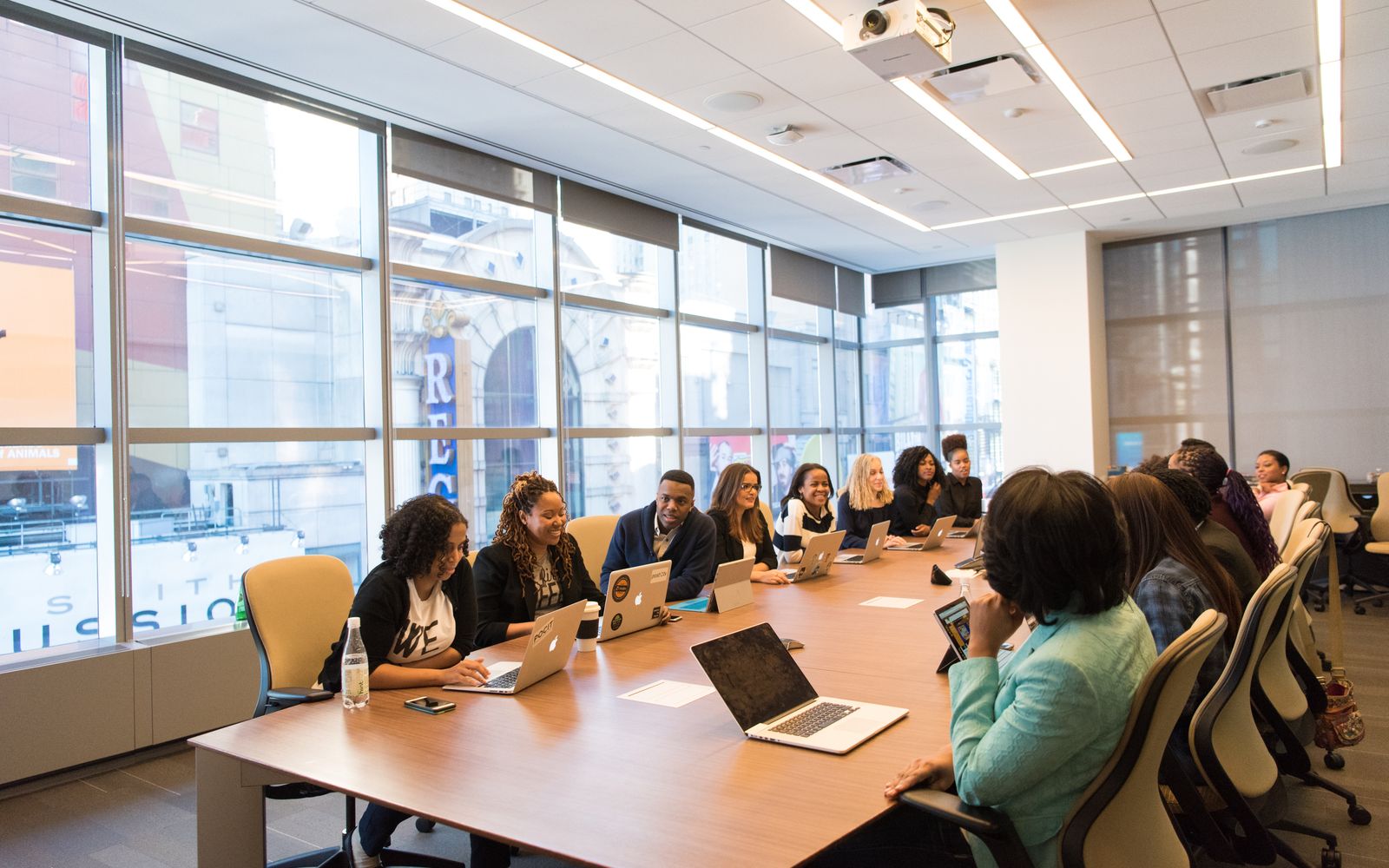
A well-structured SME chart of accounts
The test of a good chart of accounts is a single question: can the owner find the margins in three clicks? If not, the chart serves the tax office but not the business — even in Basel.
Standard numbering also enables automation: stable posting rules (same supplier, same account) make data entry predictable and the audit faster. Avoid changing the chart of accounts mid-year — migrate at the closing date, with a documented mapping table.
Basel: what changes, what does not
Working with a fiduciary from Basel no longer depends on geography: the documents of a business in Basel are shared online, while the canton Basel-City keeps its own deadlines for the tax return.
For a business in Basel, that means VAT returns identical to anywhere in Switzerland, but a tax return and family allowances governed by the canton Basel-City.
Frequently asked questions
What is the difference between a limited and an ordinary audit?
The ordinary audit applies to companies exceeding, for two consecutive years, two of three thresholds: CHF 20 million balance sheet total, CHF 40 million revenue, 250 full-time positions. Others fall under the limited audit, and those with no more than ten full-time positions on annual average can opt out with all shareholders' consent. These federal thresholds do not depend on the registered seat — in Basel as anywhere.
Does MyFiducia.ai work for a business based in Basel?
Yes: the platform runs online, the rules applied are federal (VAT, CO, AHV), and the file can be shared with any fiduciary. A business in Basel manages its documents, VAT and exports exactly as anywhere in Switzerland.
How much does limited statutory audit cost in Basel?
It depends on document volume, the number of salaries and VAT complexity — no serious figure can be quoted without examining the file. Two levers cut the bill everywhere: digitised, well-filed receipts and software that prepares entries instead of having them re-keyed.
What are the current Swiss VAT rates?
Since 1 January 2024: 8.1% (standard), 2.6% (reduced — for example food and medicines) and 3.8% (accommodation). Returns must be filed and paid within 60 days after the period ends (quarterly under the effective method, semi-annually under the net tax rate method). These federal rates apply unchanged in Basel.
Also worth reading
In neighbouring municipalities
Switch to accounting that keeps itself up to date
MyFiducia.ai automates limited statutory audit for businesses in Basel: AI-read documents, posting suggestions, VAT and exports ready for your fiduciary. Try the platform or browse our other guides.
The application is operated in French.